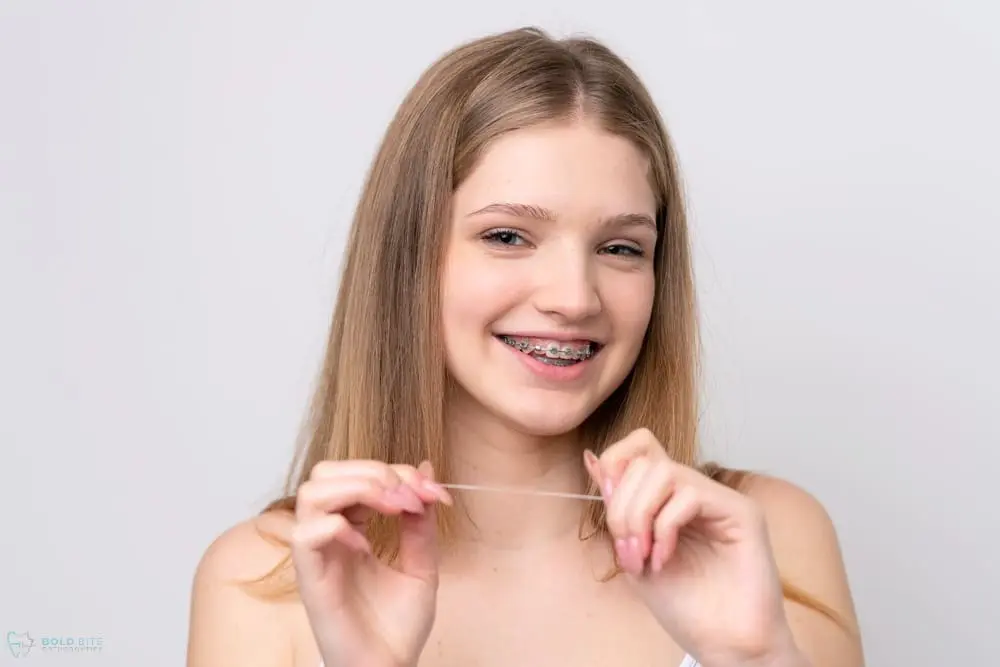
Want to learn how to floss with braces in Jacksonville, FL? Flossing is essential for clean and healthy teeth and gums. With braces, you’ll need a floss threader or orthodontic floss to weave the floss under the archwire so you can reach each tooth gap. Even though it’s slower than regular flossing, it helps reduce plaque and gum problems.
Read on to discover the tools and steps for flossing with braces.
Why is Flossing Important During Orthodontic Treatment?
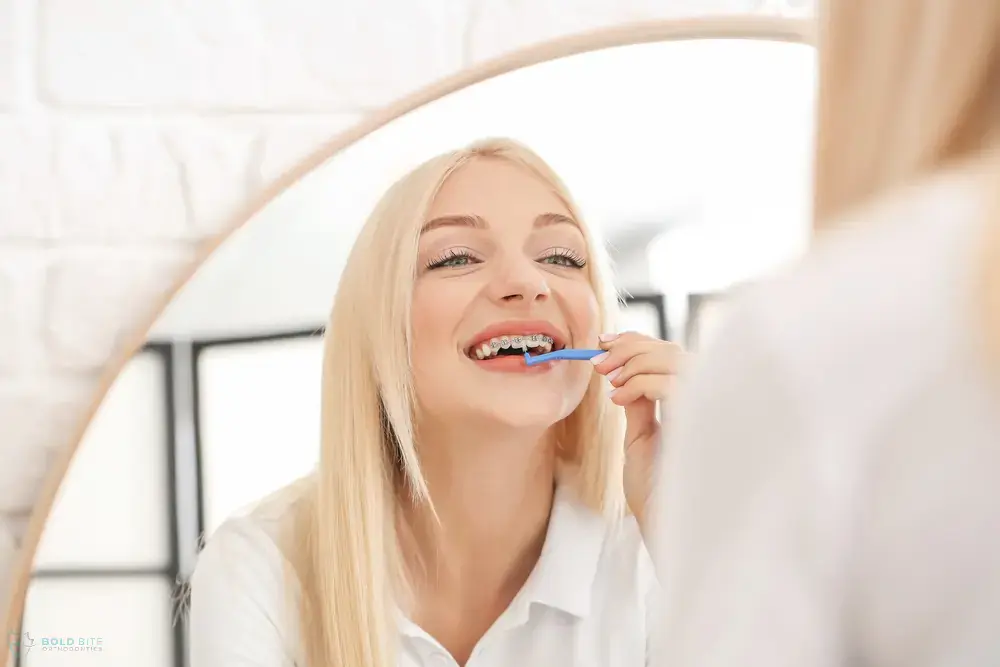
Braces are great for straightening teeth, but they can make cleaning your mouth harder. Brackets and wires create small spaces where food debris, bacteria, and plaque can gather. If plaque builds up near the gumline, it can cause gum disease or tooth decay over time.
A proper flossing routine removes trapped food particles and protects your teeth and gums. This allows your orthodontic treatment to stay on track and helps you achieve the best possible results.
Tools to Make Flossing with Braces Easier
Flossing with braces might seem tricky at first, but using the right flossing tools can make it simple. Here are the top tools to try:
1. Floss Threaders
A floss threader is a small, flexible tool that guides string floss under your braces’ archwires. It helps you clean thoroughly between your teeth and around brackets. Many orthodontic practices, like ours, provide floss threaders for patients.
2. Water Flossers
Water flossers are popular for a reason; they make flossing fast and effective. A steady stream of water removes plaque and food debris from between teeth and braces. This tool works well for patients with sensitive gums or those who find string floss too difficult to use.
3. Orthodontic Floss
Orthodontic floss is thicker and designed specifically for braces users. Pair it with a floss threader to clean around brackets, wires, and your gumline with ease.
4. Super Floss
Super floss has a spongy texture that helps clean under wires and in tight spaces. It’s an excellent choice for ensuring your gums and teeth are free from plaque buildup.
5. Floss Picks or Interdental Brushes
Floss picks or small interdental brushes can clean between teeth and wires with less effort. Interdental brushes are also perfect for cleaning hard-to-reach areas.
Where Can You Find These Tools?
You can buy these flossing products at Jacksonville pharmacies, grocery stores, or online shops. Many orthodontic offices, including Bold Bite Orthodontics, also offer starter kits with helpful flossing tools.
Step-by-Step Guide to Flossing with Braces
By following these steps each day, flossing with braces becomes easier and more routine. Once you feel comfortable with the process, it’s helpful to explore a few extra tips and tools that can make your cleaning even better:
1. Preparing Your Floss
Cut roughly 18 inches of floss and insert it into a floss threader. Then, guide the threader under the archwire and gently pull the floss through. As Dr. Blake Tollison, a respected orthodontist in Greenville, SC, suggests, taking your time while threading the floss ensures a safer and more thorough clean.
2. Cleaning Between Your Teeth
Wrap the floss around the base of one tooth in a “C” shape. Slide it up and down to clean along the gumline and tooth surfaces. Repeat this for each tooth. Use a clean section of floss for every tooth to avoid spreading plaque. Doing this daily keeps your teeth bright and your gums healthy.
3. Adding Extra Care with a Water Flosser
If regular flossing doesn’t reach all areas, use a water flosser. Aim the water stream at the spaces between teeth and wires to flush out plaque and bacteria. Adjust the water pressure for comfort if your gums feel sensitive. Water flossers are quick and easy to use, making them a great choice for busy mornings or evenings.
4. Brushing After Flossing
After flossing, brush your teeth with a soft toothbrush and fluoride toothpaste. Focus on all surfaces of your teeth, including the areas around your brackets and wires. Use small, circular motions to clean thoroughly without damaging your braces.
Flossing daily keeps your braces clean, reduces the chance of cavities, and protects your gum health.
Special Tips for Different Types of Braces
Each type of brace may need a slightly different care routine:
- Metal Braces: Thread floss carefully under wires to remove trapped food particles.
- Ceramic Braces: Use floss gently to avoid damaging the ceramic brackets.
- Lingual Braces: These attach behind your teeth and require extra patience. A water flosser works best for these hard-to-reach spots.
- Self-Ligating Braces: These need less maintenance but still require daily flossing for healthy gums.
Overcoming Common Flossing Challenges
As you get more comfortable with these flossing tips, it becomes easier to keep your teeth and gums clean each day. Building these small habits now will help protect your smile throughout your treatment. Here’s how to solve typical problems:
1. Sensitive Gums
If flossing feels uncomfortable, try using desensitizing toothpaste or rinsing with warm water before cleaning. This helps reduce discomfort. Your gums may need a few days to adjust, so be patient and floss gently each day. Avoid snapping the floss between teeth, which can make soreness worse.
2. Hard-to-Reach Spaces
For small or tight areas, use a water flosser or interdental brushes. These tools make it easier to clean thoroughly. Take your time to move the brush or water stream around each bracket and wire. Doing this daily prevents food buildup and helps keep your breath fresh. With practice, you’ll find these tools quick and easy to use.
3. Swollen Gums
Gum swelling is common, especially when starting treatment. A saltwater rinse can reduce irritation and improve gum health. Rinse your mouth twice a day until the swelling goes down. You can also gently massage your gums with a soft toothbrush to increase blood flow.
4. Difficulty Using String Floss
If string floss is hard for you to manage, switch to floss picks or a water flosser for more convenience. These tools make flossing quicker and simpler, especially when you’re busy. They’re also easier to grip, making them great for both kids and adults. Using them daily helps you stay consistent and protect your teeth during orthodontic treatment.
Expert Care at Bold Bite Orthodontics
At Bold Bite Orthodontics, we’re here to help our Jacksonville patients succeed with their braces care. Our expert team provides hands-on guidance and all the tools you need for an effective oral care routine.
Services We Offer
- In-office flossing demonstrations for first-time braces users
- Starter kits that include floss threaders, orthodontic floss, and more
- Responsive care for issues like broken wires or brackets
- Personalized advice to match your treatment needs
Post-Braces Oral Hygiene
Once your braces come off, maintaining good dental health is just as important. Here’s how to keep your teeth healthy and your smile bright:
- Wear a Retainer: Retainers keep your teeth in their new positions, so wear them as directed by your orthodontist.
- Keep Flossing Daily: Regular flossing helps prevent plaque buildup and cavities.
- Visit Your Dentist: Schedule cleanings every six months to keep your teeth in top shape.
Ready to Improve Your Flossing Routine?
Flossing with braces doesn’t have to be hard. With the right tools and a little practice, you can maintain excellent oral hygiene throughout treatment. At Bold Bite Orthodontics, we’re dedicated to helping you achieve a straight smile while protecting your dental health.
Schedule your appointment today at our Jacksonville office! Let our team guide you with expert care and show you how to keep your teeth healthy during your orthodontic treatment.
About The Authors
Dr. Marty Greenberg – Orthodontist in Jacksonville, FL
Dr. Blake Tollison – Orthodontist in Greenville, SC
Frequently Asked Questions
Is it better to floss at night or in the morning?
Flossing at night is usually best. It removes the day’s food and plaque before bed. If mornings fit your schedule better, that’s okay too. The most important thing is to floss every day.
How can I tell if I’m flossing correctly?
You’re flossing correctly if the floss slides with gentle resistance. It should wrap around each tooth in a C-shape and move up and down. A slight squeak is a good sign. Minor bleeding at first is normal and should improve with regular practice.
Does flossing speed up braces?
Flossing won’t make braces work faster. But it keeps your teeth and gums healthy. Healthy teeth help your treatment stay on track. Flossing also prevents plaque and food buildup. This helps your braces work more effectively and keeps your smile healthier.