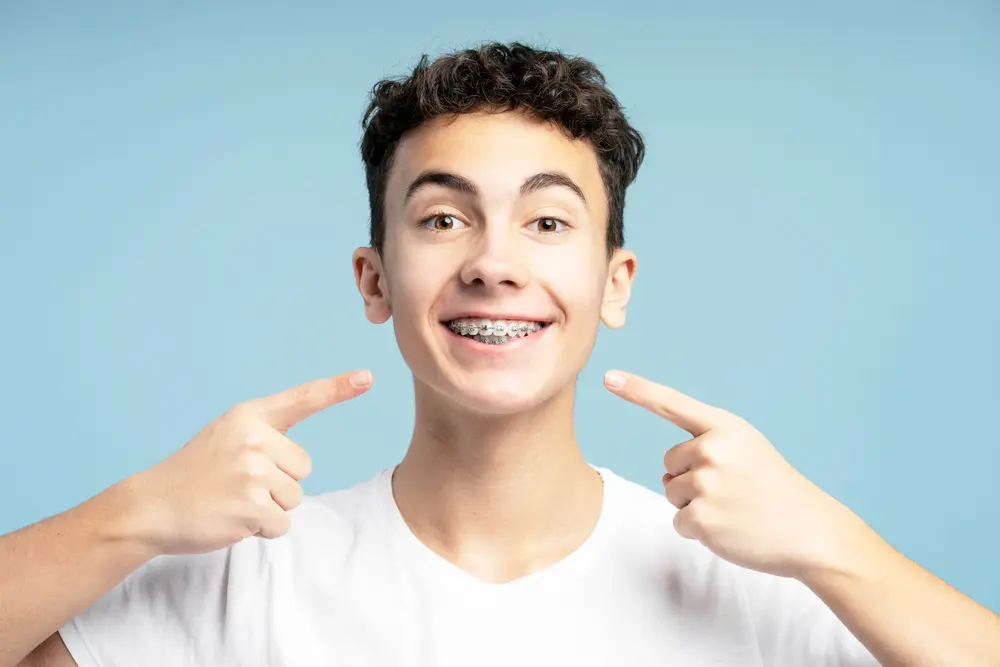
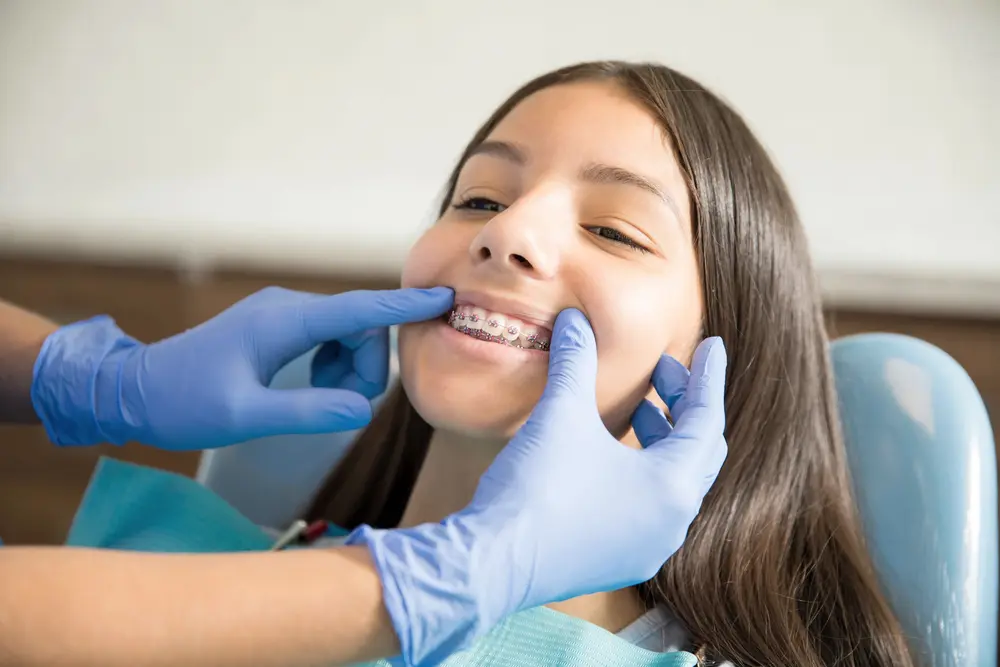
Asking how to get braces glue off teeth in Jacksonville, FL? When your braces come off, it’s normal to feel tiny bumps; those are bits of adhesive. At Bold Bite Orthodontics, your orthodontist uses gentle, enamel-safe polishing tools to clear the residue without harming your teeth. If any glue remains, don’t try scraping it off yourself; schedule a visit instead.
Keep reading to learn why the adhesive is tough to remove, why DIY methods can damage enamel, and how to get braces glue off teeth by a professional in Jacksonville, FL.

What Is Braces Glue, and How Do Orthodontists Remove It?
Braces glue, also called orthodontic adhesive, is a strong bonding material that holds your brackets in place during treatment. It must stay secure through chewing, brushing, and flossing, which is why removing it later requires skill and caution. When it is time to take your braces off, your orthodontist uses special tools to clean away the leftover adhesive.
These tools may include polishing tools, adhesive removers, polishing paste, and small buffing instruments. Each tool is designed to lift the glue without scratching your enamel. The polishing step smooths the tooth surface so your teeth feel clean and even. Most patients say the process is quick and comfortable.
Why Braces Glue Is Hard to Remove
Braces glue is made to last. It is built to handle pressure and movement while keeping brackets in place. This strength makes the glue removal process more complex than people expect.
Improper glue removal techniques can lead to several problems:
- Plaque buildup on rough areas
- Gum irritation from sharp edges
- Enamel damage if tools slip
- Tooth sensitivity if enamel becomes thin
- Stains because residue traps debris
At Bold Bite Orthodontics, we use gentle professional removal methods to protect your enamel and keep your teeth safe. Our team focuses on comfort and precision during every polish. You can trust that your teeth are handled with the highest level of care.
Why DIY Removal Methods Are Risky
Some people search online for home methods to remove braces glue. But trying DIY removal techniques can cause real harm. The risks are high, and the results are rarely good.
Here are the biggest problems with home solutions:
1. Enamel Damage
Trying to scrape off adhesive with metal tools, fingernails, or sharp items may scratch the enamel. Enamel does not grow back, so any damage is permanent. Scratched enamel can lead to decay, pain, and long-term sensitivity.
2. Leftover Adhesive Residue
Most DIY methods cannot remove all adhesive residue. Even small glue spots create rough surfaces that trap plaque. This can cause decay, gum irritation, and long-term oral hygiene problems.
3. Tooth Sensitivity
Harsh scrubbing or using baking soda paste, vinegar, or lemon juice may weaken the tooth surface. Acidic or abrasive mixtures can make the enamel soft and cause sensitivity when you drink hot or cold items.
4. Safety Risks
Home tools are not designed for teeth. They may slip, cut gums, or create scratches that require extra dental care. Professional removal prevents these injuries and keeps your enamel safe.
Because of these risks, orthodontists strongly discourage DIY removal methods. Professional removal protects your smile and prevents avoidable damage.
Common Mistakes to Avoid When Removing Adhesive
These habits may seem harmless, but they can create long-term issues for your teeth. Many people don’t realize the risks until sensitivity or damage begins. To keep your teeth safe, avoid these common mistakes people make after braces removal:
Using Sharp Tools
Never use needles, scissors, tweezers, or knives. These tools can cause deep scratches or chips on enamel. Even light pressure can damage your tooth surface, so it’s safest to leave glue removal to an orthodontist.
Using Harsh Chemicals
Avoid lemon juice, vinegar, and abrasive baking soda paste. These weaken enamel and cause long-term tooth sensitivity. Harsh ingredients can also irritate your gums and make your teeth more prone to damage over time.
Starting Whitening Treatments Too Soon
After your braces come off, your teeth may feel sensitive. Whitening toothpaste or whitening strips can irritate the tooth surface. Ask your orthodontist when teeth whitening is safe for you.
How Professionals Remove Braces Glue
At Bold Bite Orthodontics in Jacksonville, FL, we use a safe, careful process for braces glue removal. The steps are simple but require trained hands.
Step 1: Evaluation
Your orthodontist checks the teeth for leftover brackets, adhesive residue, and rough spots. This step helps identify exactly where polishing is needed. A careful evaluation ensures the removal process is safe and thorough.
Step 2: Polishing Tools
We use enamel-safe polishing tools to loosen and remove the adhesive. These tools rotate at controlled speeds to avoid heat or friction damage. This method gently clears residue without harming your enamel.
Step 3: Polishing Paste
After the glue is gone, we use polishing paste to smooth the tooth surface. This gives the teeth a clean, bright look. The paste also helps remove any final rough areas for an even finish.
Step 4: Final Check
We check every tooth to make sure no residue remains. Your teeth should feel smooth and even after the glue removal process. This last step ensures a comfortable bite and a polished appearance.
This professional removal method protects your enamel and prevents sensitivity.
Aftercare Tips for Clean and Healthy Teeth
After the adhesive removal procedure, good oral hygiene routines help keep your teeth strong. Here are simple care tips you can follow:
1. Brush Twice a Day
Use a soft-bristle toothbrush and fluoride toothpaste. Fluoride helps protect enamel and reduces plaque risks. Brushing well each day keeps your teeth smooth and clean after glue removal. As Dr. Sebastian Paige, a well-known orthodontist in Kingwood, TX, explains, simple brushing and using fluoride keep teeth strong after braces.
2. Floss Daily
Flossing removes debris trapped between teeth. If flossing is hard, try a water flosser for easier cleaning. Daily flossing helps prevent plaque buildup and keeps your gums healthy.
3. Rinse with Saltwater
If your gums feel sore after the appointment, use a saltwater rinse. Mix warm water with half a teaspoon of salt and swish for 30 seconds. This reduces irritation and soothes the gums.
4. Use Mouthwash
A fluoride mouthwash helps strengthen enamel and reduce plaque. Use it once a day after brushing. This extra step gives your teeth added protection and keeps your mouth feeling fresh.
5. Avoid Sticky or Hard Foods
Right after glue removal, avoid hard snacks or sticky foods. These can cause soreness or irritation. Soft foods help your teeth adjust and prevent unnecessary pressure on sensitive spots.
6. Wear Your Retainer
If your orthodontist gives you a retainer, wear it as instructed. It keeps your teeth from shifting after the braces removal process. Consistent retainer use helps maintain your new smile long-term.
Long-Term Tooth Health After Braces
Keeping your teeth healthy after braces takes simple but consistent habits. Here is how to protect your smile long-term:
- Keep brushing, flossing, and rinsing as part of your daily oral hygiene routine.
- Visit your dentist for cleanings every six months.
- Avoid sugary snacks that increase plaque buildup.
- Choose enamel-friendly foods like yogurt, cheese, nuts, and leafy greens.
- Ask your orthodontist before doing any at-home whitening treatments.
- Continue wearing your retainer to maintain your smile transformation.
Good enamel care protects your teeth from sensitivity and decay. Strong enamel helps your teeth handle daily chewing and temperature changes. With the right habits, you can keep your smile healthy long-term.
What to Expect at Your Bold Bite Orthodontics Appointment
Here is what your appointment will look like when it is time for adhesive removal:
Before Your Appointment
Brush well to remove food and plaque. Avoid sticky or crunchy foods right before the procedure. A clean mouth helps your orthodontist remove the glue more easily and keeps the process comfortable.
During the Appointment
The glue removal process takes about 30–45 minutes. You will sit back and relax while your orthodontist uses polishing tools and gentle removal techniques. Most patients feel no pain during the procedure.
After the Appointment
Your orthodontist will share aftercare tips and answer questions about brushing, flossing, and your retainer. You may feel mild sensitivity, but it fades fast with proper oral hygiene and fluoride toothpaste.

Why Choose Bold Bite Orthodontics in Jacksonville, FL?
Bold Bite Orthodontics is committed to safe and effective braces glue removal. Our team uses advanced tools, enamel-safe polishing paste, and proven removal techniques to protect your teeth. We focus on safety, comfort, and long-term tooth health.
Whether you had your braces treatment with us or another clinic, we make the final step of your smile transformation smooth and stress-free.
Complete Your Smile With Professional Glue Removal
If you want your teeth to be smooth, clean, and free of adhesive residue, schedule an appointment at Bold Bite Orthodontics in Jacksonville, FL. Our glue removal methods protect enamel, reduce sensitivity, and leave your smile bright. Book your visit today and enjoy safe, expert care for your post-braces smile.
About The Author
Dr. Marty Greenberg – Orthodontist in Jacksonville, FL
Dr. Sebastian Paige – Orthodontist in Kingwood, TX
Frequently Asked Questions
Does removing braces glue damage enamel?
No, professional glue removal does not damage enamel. Orthodontists use polishing tools made specifically to lift adhesive without scraping or thinning the tooth surface. The process is gentle, safe, and leaves your teeth smooth.
Does anything dissolve dental cement?
Dental cement is made to resist saliva, food, and everyday wear, so nothing you have at home can safely dissolve it. Orthodontists use specialized instruments designed to break down the adhesive without harming enamel. Chemical or DIY methods should never be used because they can cause burns, sensitivity, or erosion.
Does soda dissolve braces glue?
No, soda cannot dissolve braces glue. Orthodontic adhesive is made to resist acids and sugars, so soda has no effect on removing it. Instead, soda can increase plaque and enamel erosion, which makes proper dental care even more important during and after braces.