
Choosing between clear braces vs metal braces is one of the first real decisions in orthodontic treatment. Both move teeth into better alignment and improve bite, oral health, and confidence. The real differences come down to how they look, how they feel day to day, and what they cost, and those differences matter more to some patients than others.
Quick answer. Clear (ceramic) braces use tooth-colored brackets that blend in more, making them a popular pick for image-conscious teens and adults, but they cost more, need more careful cleaning to avoid staining, and are more prone to chipping if food rules are ignored. Metal braces use stainless steel brackets, cost less, hold up better under heavy use, and handle complex cases with strong, reliable control, at the trade-off of being more visible and slightly rougher on the cheeks and lips at first. Both types move teeth with the same steady, planned pressure, and for many patients, the treatment results and timeline end up similar either way.
Bold Bite Orthodontics, led by Dr. Marty Greenberg and Dr. Trang Cao, helps Jacksonville patients weigh appearance, comfort, durability, and budget side by side instead of guessing which braces type fits their case.
The team’s approach is to walk through the honest trade-offs of each option before treatment starts, so patients choose with clarity rather than picking based on looks alone.

What Are Clear Braces?
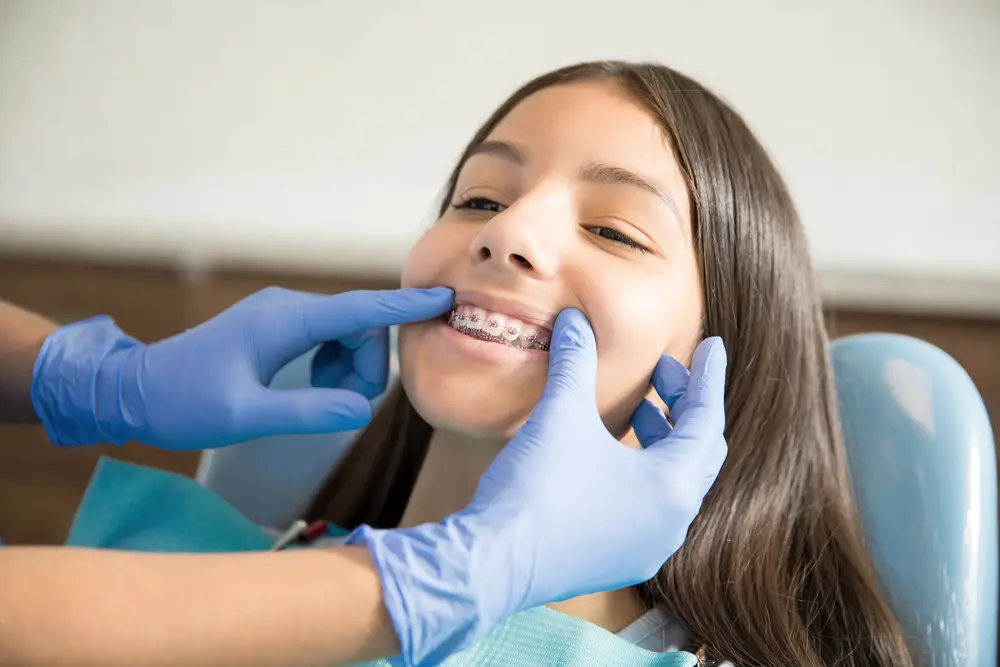
Clear braces, also called ceramic braces, use tooth-colored or clear materials for the brackets. Because the brackets blend with the teeth, they’re less visible day to day, which is the main reason many patients choose them. Clear braces move teeth the same way metal braces do, applying steady pressure over time. Teens and adults who worry about how braces look at work or school often lean toward this option, which makes clear braces a popular choice for adult treatment in Jacksonville.
How they work. Ceramic brackets are bonded to the teeth at the first appointment, and a wire connects each bracket to apply light, continuous pressure. At each visit, small adjustments guide the teeth into better alignment. The movement is slow and planned to protect the tooth roots and bone, and clear braces treat spacing, crowding, and bite problems with results that are, for many patients, just as effective as metal braces.
Benefits.
- Lower visibility. The brackets blend with natural teeth for a softer, more discreet look, which helps many patients feel more confident smiling during treatment.
- Strong results. Clear braces treat crowding, gaps, and bite issues, and with good care the results are reliable and long-lasting.
- Smoother feel. Ceramic brackets often feel smoother against the cheeks and lips, which may reduce early irritation for some patients.
- Style options. Clear or white wires are available to keep the overall look less noticeable.
Drawbacks.
- Higher cost. Ceramic materials cost more to produce, so clear braces often carry a higher total cost even with insurance.
- Staining risk. Clear brackets can stain without good oral care, and dark foods or drinks like coffee or curry raise that risk.
- Lower durability. Ceramic brackets are strong but not as tough as stainless steel, and they may chip if food restrictions aren’t followed.
- Extra maintenance. Keeping clear braces bright means careful daily brushing and flossing.
What Are Metal Braces?
Metal braces are the most common braces used in orthodontics and have been trusted for decades. They use stainless steel brackets and wires to move teeth and work for both simple and complex cases, which is why many kids, teens, and adults choose them for their proven track record.
How they work. Metal brackets are bonded to each tooth, and a metal wire threaded through them applies steady pressure. At each appointment, the wire is tightened or adjusted to guide the teeth into better alignment over time. Metal braces handle strong movements and complex bite problems with ease.
Benefits.
- High durability. Stainless steel resists breakage, which is helpful for active patients.
- Lower cost. Metal braces usually carry the lowest price of the braces options, making them a strong fit for families on a tighter budget.
- Customization and colors. Patients can pick elastic colors, which kids and teens often enjoy changing at each visit.
- Proven effectiveness. Metal braces have a long track record of success across nearly all orthodontic cases.
- Handles complex cases. Metal braces are often the best fit for severe crowding or bite problems, giving strong, consistent control.
Drawbacks.
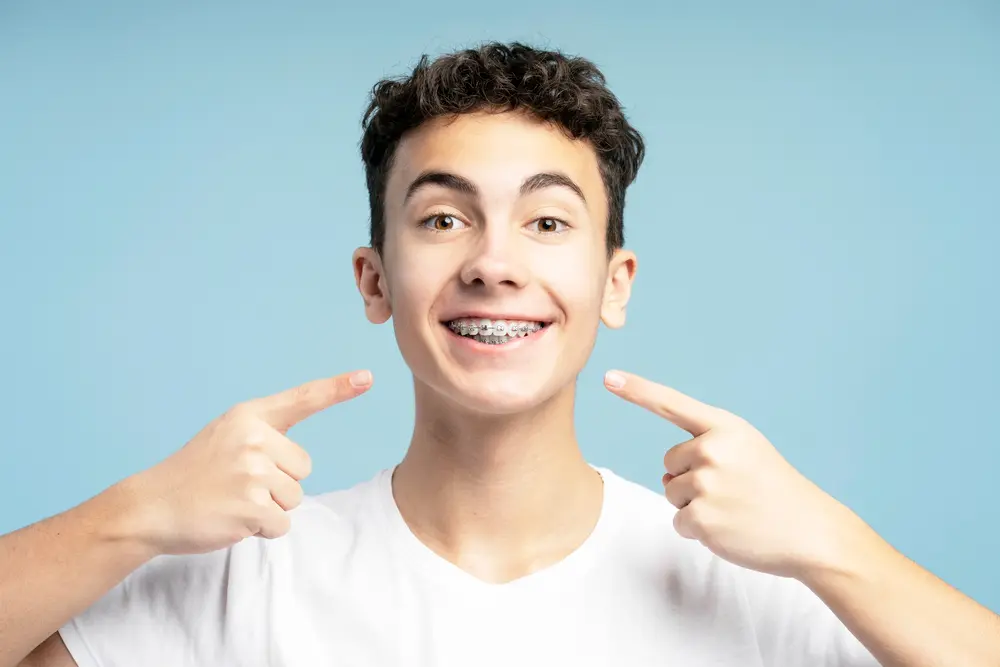
- Higher visibility. Metal braces are easy to see, which can make some patients feel self-conscious.
- Early discomfort. Metal brackets can feel rough at first, with some soreness in the lips, tongue, and cheeks that fades with time.
- Food restrictions. Hard and sticky foods can damage brackets or wires, and ignoring those rules can extend treatment.
- Cleaning takes time. Food can get trapped around the brackets, so consistent brushing and flossing matter.
Clear Braces vs Metal Braces: Key Differences
Appearance
Clear braces offer better aesthetics and lower visibility, while metal braces stand out more but allow fun color choices. Teens and adults who want more discretion often lean toward clear braces, while patients who enjoy showing personality through color bands often prefer metal.
Comfort
Both types can cause early pressure as teeth start to move, which is a normal part of treatment and fades over time. Clear braces may feel a bit smoother on the cheeks, and most patients feel more comfortable within the first few weeks regardless of which type they choose.
Durability
Metal braces are stronger and hold up better over the course of treatment, while clear braces need more care to avoid damage. Stainless steel brackets handle strong forces well, while ceramic brackets can chip if exposed to hard foods. As Dr. Mohammed Al-Zainal, a board-certified orthodontist at Wink Orthodontics in Prosper and Colleyville, TX, points out, patients who grind, play contact sports, or are hard on their teeth often do better with metal braces because they can handle more force and stress.
Cost
Metal braces usually cost less, while clear braces cost more because of the materials involved. Many insurance plans help cover both options, so the real difference in out-of-pocket cost is worth reviewing at a consultation.
Maintenance
Clear braces need careful cleaning to avoid stains, while metal braces are slightly easier to maintain day to day. Daily brushing helps prevent discoloration around clear brackets, and good oral hygiene keeps either type clean and effective.
Treatment Duration
Both options often run on a similar timeline, with the exact length depending on the bite issue being treated and how consistently a patient follows care instructions. Missed appointments can slow progress with either braces type.
Clear (Ceramic) Braces vs Metal Braces at a Glance
| Factor | Clear (Ceramic) Braces | Metal Braces |
| Appearance | Blends with teeth, lower visibility | More visible, with colored elastic options |
| Cost | Typically higher | Usually the lowest-cost option |
| Durability | Can chip if food rules are ignored | Very strong, resists breakage |
| Comfort | Often smoother on cheeks and lips | Can feel rough at first, eases with time |
| Maintenance | Needs careful cleaning to avoid staining | Slightly easier to keep clean |
| Best For | Patients prioritizing a discreet look | Patients needing maximum durability or treating complex cases |
Clear Aligners and Invisalign Options
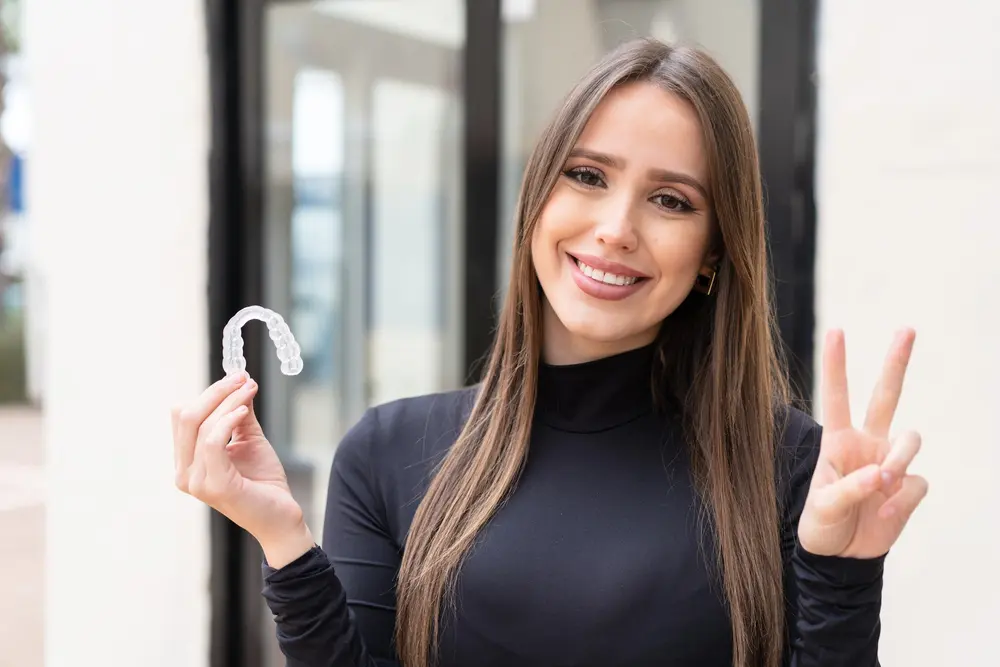
Some patients want to skip brackets and wires altogether. Clear aligners are removable plastic trays that fit over the teeth and work best for mild to moderate alignment needs. Invisalign is a popular aligner system that offers comfort, discretion, and flexibility, and many adults choose it to fit their lifestyle. Aligners make eating and cleaning easier, but they require discipline: they only work as planned when worn as directed.
How Lifestyle Affects Your Choice
Daily habits matter when choosing braces. Metal braces may need extra care for patients who play sports or instruments. Clear braces suit patients focused on appearance. Aligners work well for patients who want more flexibility day to day. An orthodontist can help match the treatment to your routine and goals at a consultation.
When Each Option Isn’t the Right Fit
- Clear braces may not be the right fit for patients who grind their teeth, play contact sports, or are otherwise hard on their braces, since ceramic brackets are more prone to chipping under extra force. Patients who drink a lot of coffee, tea, or other staining foods and drinks, or who know they’ll struggle with the extra cleaning ceramic brackets need, may also be better served by metal.
- Metal braces may not be the right fit for patients whose main concern is visibility during treatment, since the brackets are the most noticeable of the braces options.
- Neither fixed option may be the right fit for patients with only mild to moderate alignment needs who would rather skip brackets and wires entirely. Clear aligners, including Invisalign, are worth discussing as an alternative in that case.
What a Consultation Can and Can’t Tell You Remotely
A quiz or a blog comparison can point you toward the right general direction, but it can’t diagnose your bite. Whether clear braces, metal braces, or aligners will work best for your case depends on your specific crowding, spacing, or bite issue, which only an in-person exam and imaging can confirm. A consultation is where those specifics, along with a full cost breakdown and financing options, get reviewed for your case.
How Bold Bite Orthodontics Helps You Choose
At Bold Bite Orthodontics in Jacksonville, FL, patient care comes first. The team focuses on clear education and honest comparisons rather than steering every patient toward one option. Bold Bite accepts many insurance plans and offers flexible payment plans to fit different budgets, and every fee is explained before treatment starts, so patients can choose with confidence and clarity.
Frequently Asked Questions
Can braces affect speech when treatment starts?
Yes, some patients notice small speech changes during the first few days after getting braces, as the tongue and lips adjust to the brackets and wires. Sounds like “s” or “th” may feel different at first. In most cases, speech returns to normal within one to two weeks, and reading out loud or speaking often can help the mouth adjust faster. This is temporary and not a long-term concern.
Do braces increase the risk of cavities or tooth damage?
Braces don’t directly cause cavities, but they can make cleaning more difficult. Food and plaque can collect around brackets and wires if brushing isn’t thorough, which can raise the risk of cavities or white spots. Brushing after meals, flossing daily, using fluoride toothpaste, and keeping up with regular dental cleanings all help protect teeth during treatment.
Will I need to wear retainers after braces treatment ends?
Yes. Once braces come off, teeth can shift back without support, so retainers hold the new position while the bone and gums adjust. An orthodontist will explain how often to wear the retainer, and following that guidance helps protect the results long term.
Are clear braces as effective as metal braces?
For many patients, yes. Clear braces treat crowding, gaps, and bite issues with the same steady, planned pressure as metal braces, and with good care the results are just as reliable and long-lasting. The right choice usually comes down to appearance, durability needs, and budget rather than effectiveness alone.
Does insurance cover clear braces the same way it covers metal braces?
Many insurance plans help cover both clear and metal braces, though the exact coverage and out-of-pocket cost can differ between the two. Bold Bite Orthodontics reviews insurance benefits and payment plan options for each case before treatment starts.
Sources. This guide reflects clinical comparisons and treatment guidance from the team at Bold Bite Orthodontics, Jacksonville, FL.

Related Reading
- Braces Cost in Jacksonville, FL
- Alternatives to Braces in Jacksonville, FL
- Braces for Overbite in Jacksonville, FL
- How Do You Properly Clean Braces in Jacksonville, FL?
Ready to Choose the Right Braces for Your Smile?
Bold Bite Orthodontics in Jacksonville, FL will walk you through a full comparison of clear braces, metal braces, and Invisalign, along with costs and financing, so you can decide with confidence.
Schedule Your Free Consultation
No commitment, no cost to you for kids.